|
[ UrbanRail.Net ] [ Europe ] [ Americas ] [ Asia ] [ Africa ] [ Oceania ] [ News ] [ Books ] [ Links ] [ Blog ] [ Shop ] |
|
BUENOS
AIRES
|
| Argentina |
|
SUBTE
|
||
|
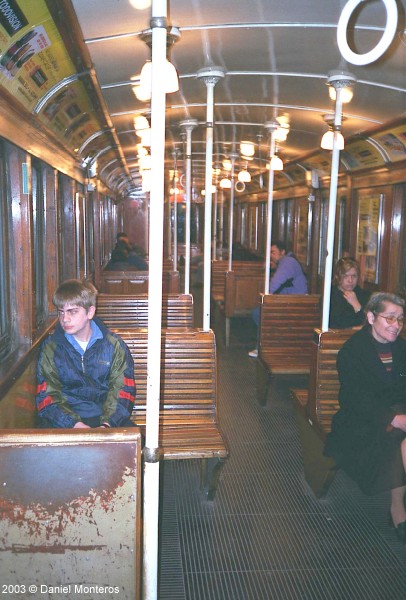
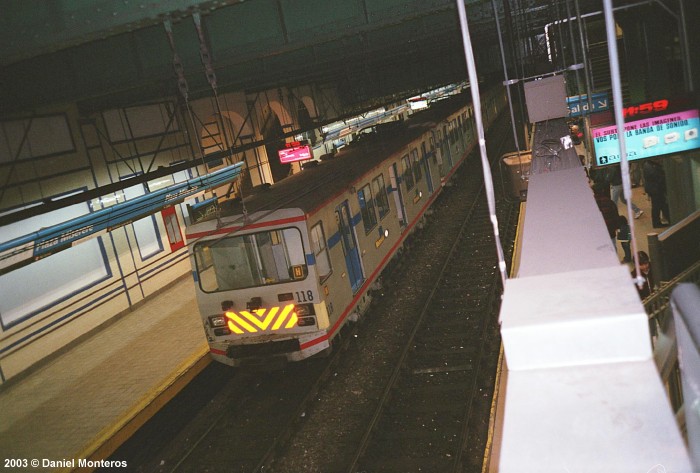
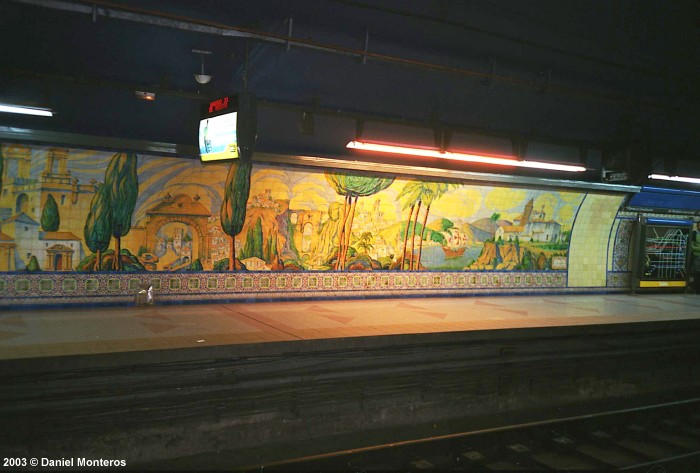
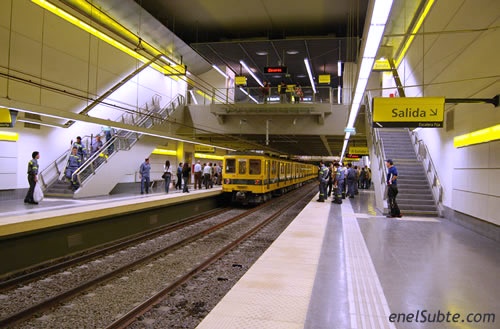
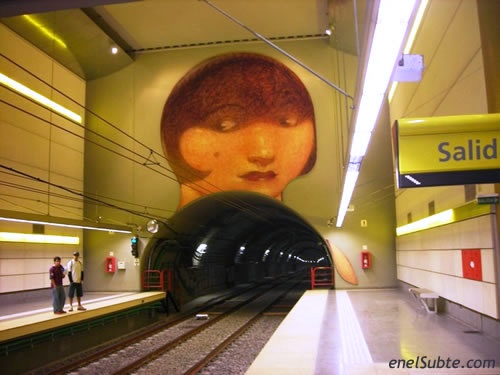
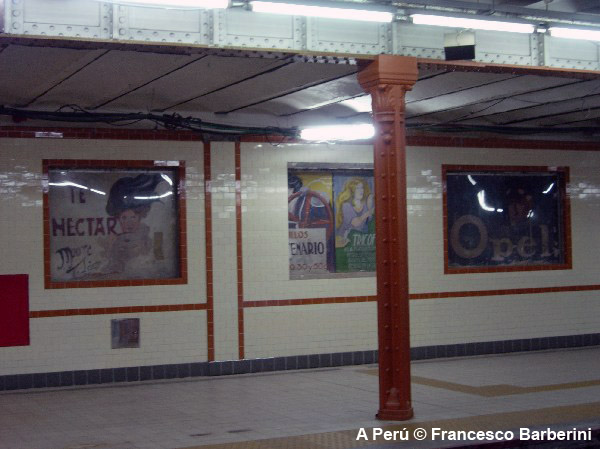
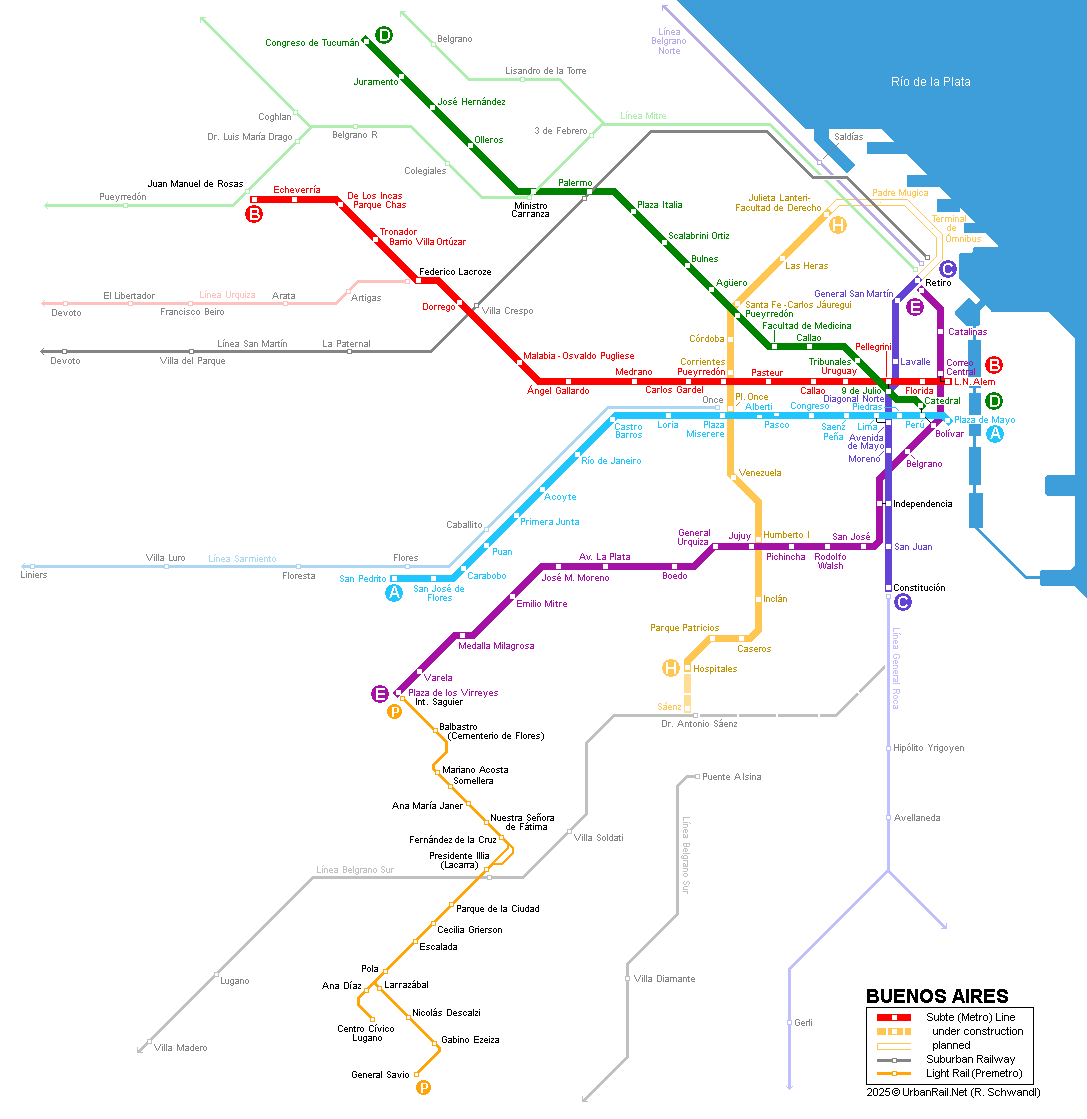
Buenos Aires, the capital of Argentina, is one of South America's biggest cities with 3 million inhabitants (Ciudad Autónoma de Buenos Aires) and 12 million in the larger metropolitan area (Gran Buenos Aires). For a city of this size the metro network is still very small although it's by far the oldest subway in South America. After losing many passengers during the 1980's, the Subte was privatised and was then operated by Metrovías which immediately started refurbishing stations and buying new rolling stock to replace older trains, some of which had been running since the Subte opened. On 1 Dec 2021 (until 2033), the new operator became Emova Movilidad, a company formed by Metrovías and Benito Roggio Transporte. The total network is approx. 54 km (06/2019) and totally underground.
|
||
| Línea A | 9.8 km, 18 stations | |
|
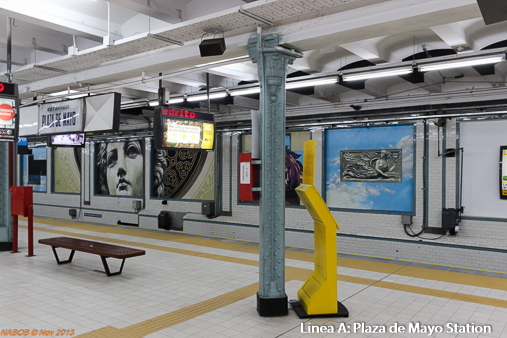
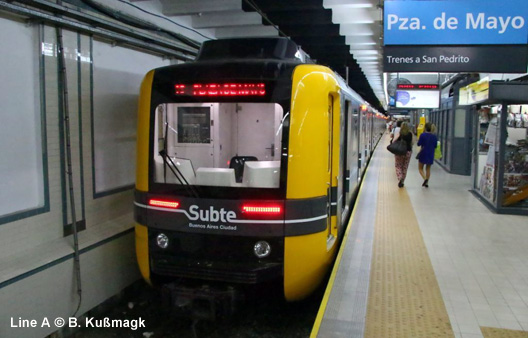
The first line of the metro, Line A, was built and initially operated by a private company called Anglo Argentine Tramway Company and opened already in 1913. 01/12/1913
- Plaza de Mayo - Plaza Miserere
|
||
|
|
||
| Línea B | 12.5 km, 17 stations | |
|
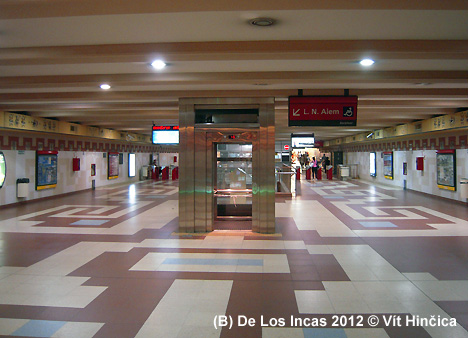
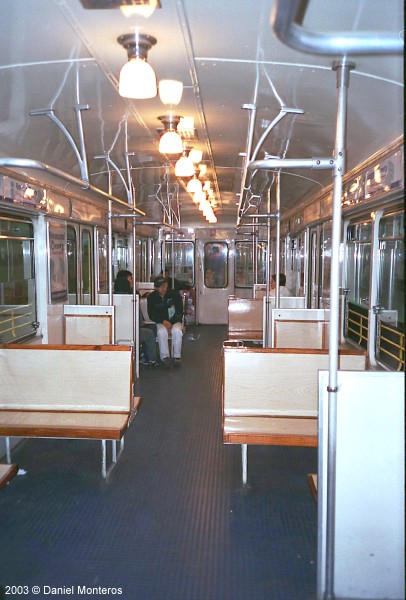
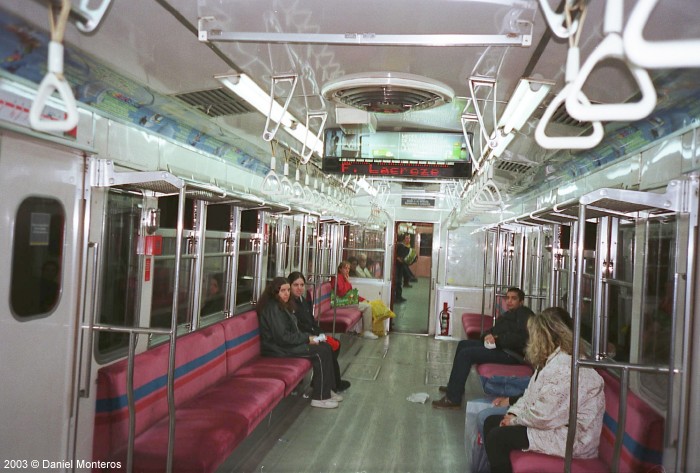
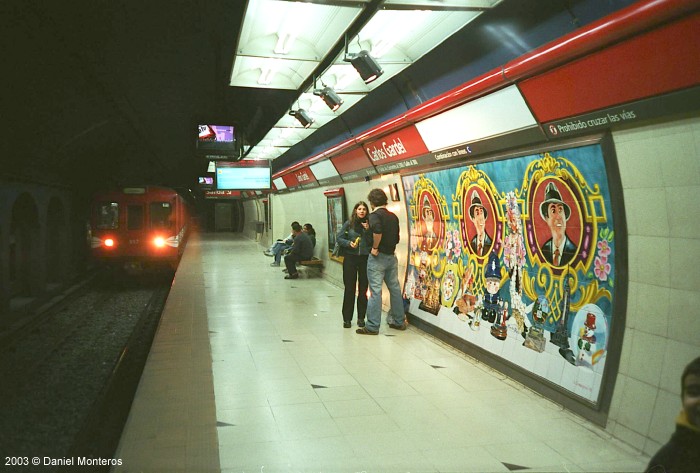
Line B was built by the Anglo's rival Lacroze. Lacroze operated an interurban line from Chacarita to Campo de Mayo, which later became General Urquiza railroad and is now owned by Metrovías. That is one reason why Urquiza is the only railroad in Buenos Aires that has 1435 mm gauge instead of broad gauge. It originally had a catenary but was later changed to third rail and coaches are the same width than those from broad-gauge railroads. Lacroze designed and built Subte Line B to feed their suburban railroad. Since the only other Subte line at the time was a competitor, compatibility wasn't an issue, so Line B cars are wider and they use third rail, while all other lines use catenary. 17/10/1930
- Federico Lacroze - Callao
|
||
|
|
||
| Línea C | 4.4 km, 9 stations | |
|
Line C was built by Chadopyf (Compañía Hispano Argentina de Obras Públicas y Finanzas) in 1933. The first section was opened in 1934 and it went from Constitución to Diagonal Norte. In 1936, it was stretched to Retiro and in 1937 San Martín station was opened. It currently uses Siemens cars. 09/11/1934
- Constitución - Diagonal Norte
|
||
|
|
||
| Línea D | 11 km, 16 stations | |
|
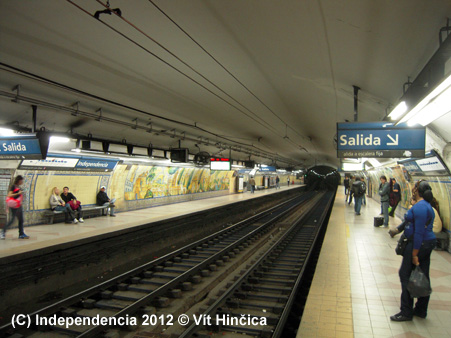
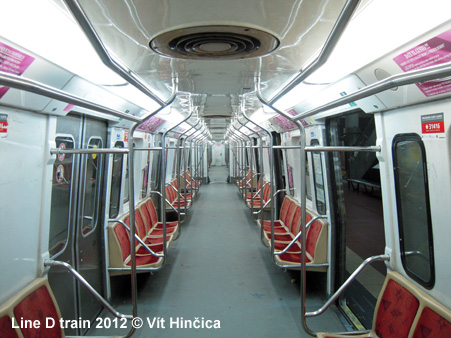
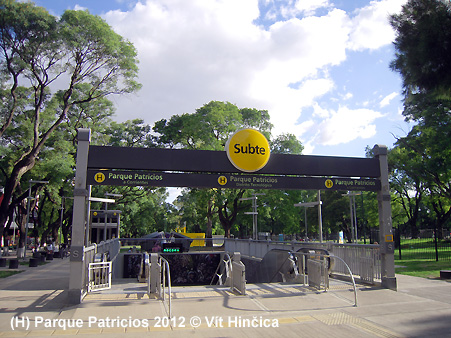
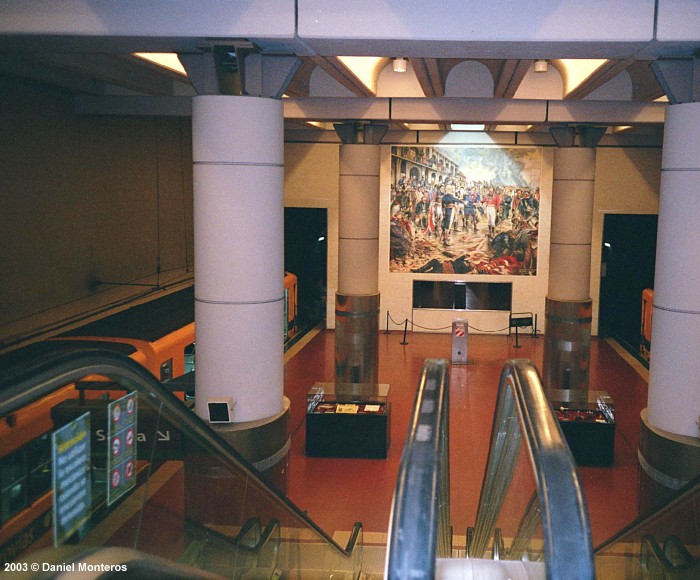
Line D was began in 1936 and the first section (Catedral - Tribunales) was opened in 1937. In 1940, it was extended to Palermo. This line was also built by Chadopyf. In 1987, it was extended to Ministro Carranza, and during the late 1990s it reached its current terminus Congreso de Tucumán. Line D has three different types of rolling stock: Fiat-Materfer (which are maroon and white), Nagoya (the city that owned them previously) and Alstom Metropolis (which were meant for Line A, which has to be upgraded before they can be used there). 03/06/1937
- Catedral - Tribunales (1.7 km)
|
||
|
|
||
| Línea E | 11.2 km, 18 stations | |
|
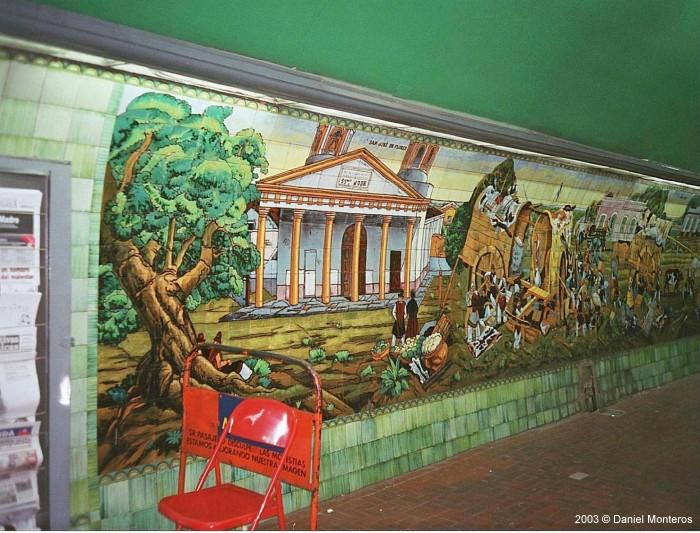
Line E was also built by Chadopyf. Work began in 1940 and the first section between San José and the intersection at General Urquiza was opened in 1944. Six months later, it was extended to a temporary platform at Boedo, which remained in use until a definitive station was opened in 1960. By 1966, it was extended from Bolivar to Avenida La Plata, then in 1973 to José María Moreno, to Varela in 1985, and eventually to Plaza de los Virreyes in 1986. 33 years later it reached Retiro. 20/06/1944
- San José (Plaza Constitución) - General Urquiza
(3 km) March 2013: Entre Ríos station renamed into Rodolfo Walsh
|
||
|
|
||
| Línea H | 8 km, 12 stations | |
|
Line H opened in October 2007, 63 years after the last subte line had been brought into service. It was planned to run parallel to Line C, from Retiro to Sáenz (11 km), to be built in various stages. Construction on the first section between Plaza Once and Inclán started in 2001. A fifth station, Caseros, was added to the project in 2003. 18/10/2007:
Once - Caseros (2.9 km)
|
||
|
|
||
| Premetro | ||
|
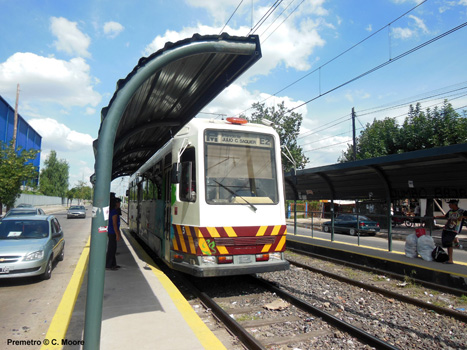
Apart from the Subte there is a 7.4 km light rail line (called Premetro and opened in 1987) which serves the southwestern part of the city from Line E's terminus at Plaza de Los Virreyes.
|
||
|
|
||
|
|
||
| Tren de la Costa | ||
|
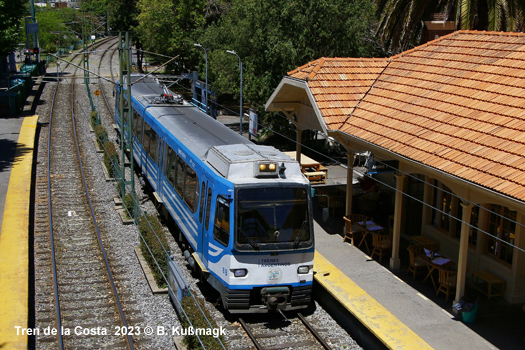
Standard-gauge light rail line electrified with overhead catenary in the north of the metropolitan area, connecting to the Bartolomé Mitre branch of the Línea Mitre: 15.5 km, 11 stations, every 20-30 minutes
|
||
|
|
||
| Suburban Railways | ||
|
Besides the Subte, Buenos Aires has numerous suburban railways, some operated with diesel and some with electric trains: 1)
Ferrocarril Urquiza: standard-gauge with 3rd rail power supply, running
west from Federico Lacroze, operated by Metrovías |
||


  |
||
|
|
||
|
Links
|
||
|
Metrovías S.A. Subte Operator (Official Website) Official Integrated Map with Subte and Suburban Railways by Gagin Studio Graphic Design Trenes Argentinos (Most Suburban Railways) En el Subte by Martín Machain Subte & Premetro at Wikipedia.es Ferrocarriles Metropolitanos de Buenos Aires at Wikipedia.es Allen Morrison's BA Electric Railways Map Map showing future extensions by Jordi Serradell UrbanRail.Net > B.A. Subte Photo Gallery ALAMYS - Asociación Latinoamericana de Metros y Subterráneos |
||
|
|
||
2007 © Robert Schwandl (UrbanRail.Net)
LIST OF STATION RENAMINGS AFTER 1970 (Thanks to Daniel Monteros):
Línea A:
Medrano >> Castro Barros
José María Moreno >> Acoyte
Línea B:
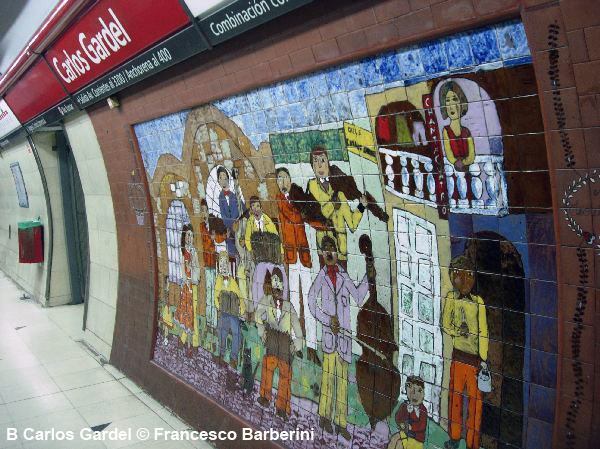
Aguero >> Carlos Gardel
Río de Janeiro >> Angel Gallardo
Canning >> Malabia
Línea
D:
Florida >> Catedral
Carlos Pellegrini >> 9 de Julio
Canning >> Scalabrini Ortiz
|
Older
Photos
|
||